Aug 8, 2021 | games & graphics
%2Fhttps%253A%252F%252Fdev.lareviewofbooks.org%252Fwp-content%252Fuploads%252F2021%252F07%252Fdiscoelysium.png&w=1920&q=75)
Disco Elysium is the roleplaying game as interactive novel, a sustained exercise in eschewing the flashy graphics of big-budget games in favor of dense prose. This prose appears in a dedicated window on the right side of the screen, a box that appears every time you converse with a character or interact with an object in the world.
Source: Roleplaying a Communist Cop in the Ruins of Revolution
Aug 8, 2021 | networking
 When you buy something on Amazon, the e-commerce giant isn’t always the one making the sale; an estimated half of all products sold on Amazon come from third-party sellers.
Source: Go read this look at how Amazon third-party sellers pester customers who leave bad reviews
Aug 8, 2021 | algo, networking, video

Earlier this year, videos of Tom Cruise started popping up on TikTok of the actor doing some surprisingly un-Tom-Cruise-like stuff: goofing around in an upscale men’s clothing store; showing off a coin trick; growling playfully during a short rendition of Dave Matthews Band’s “Crash Into Me.”
Source: A look at Metaphysic, a company which uses deepfake tech to create ads and restore old film; its founder went viral on TikTok for deepfaking Tom Cruise (Rachel Metz/CNN)
Aug 7, 2021 | algo, justice & equality, networking
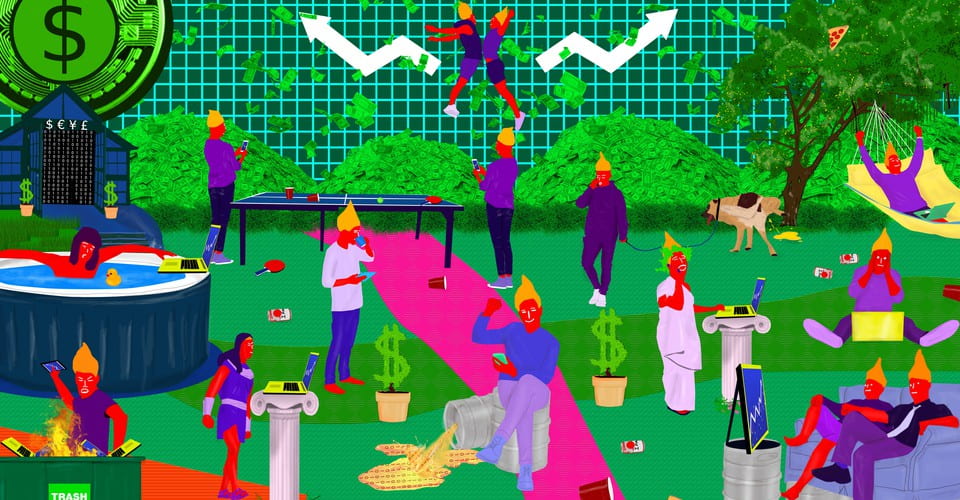
Robinhood traders have earned the most attention, but they’re only part of a larger story about class stagnation and distrust.
Source: America’s Investing Boom Goes Far Beyond Reddit Bros
Aug 7, 2021 | justice & equality, networking
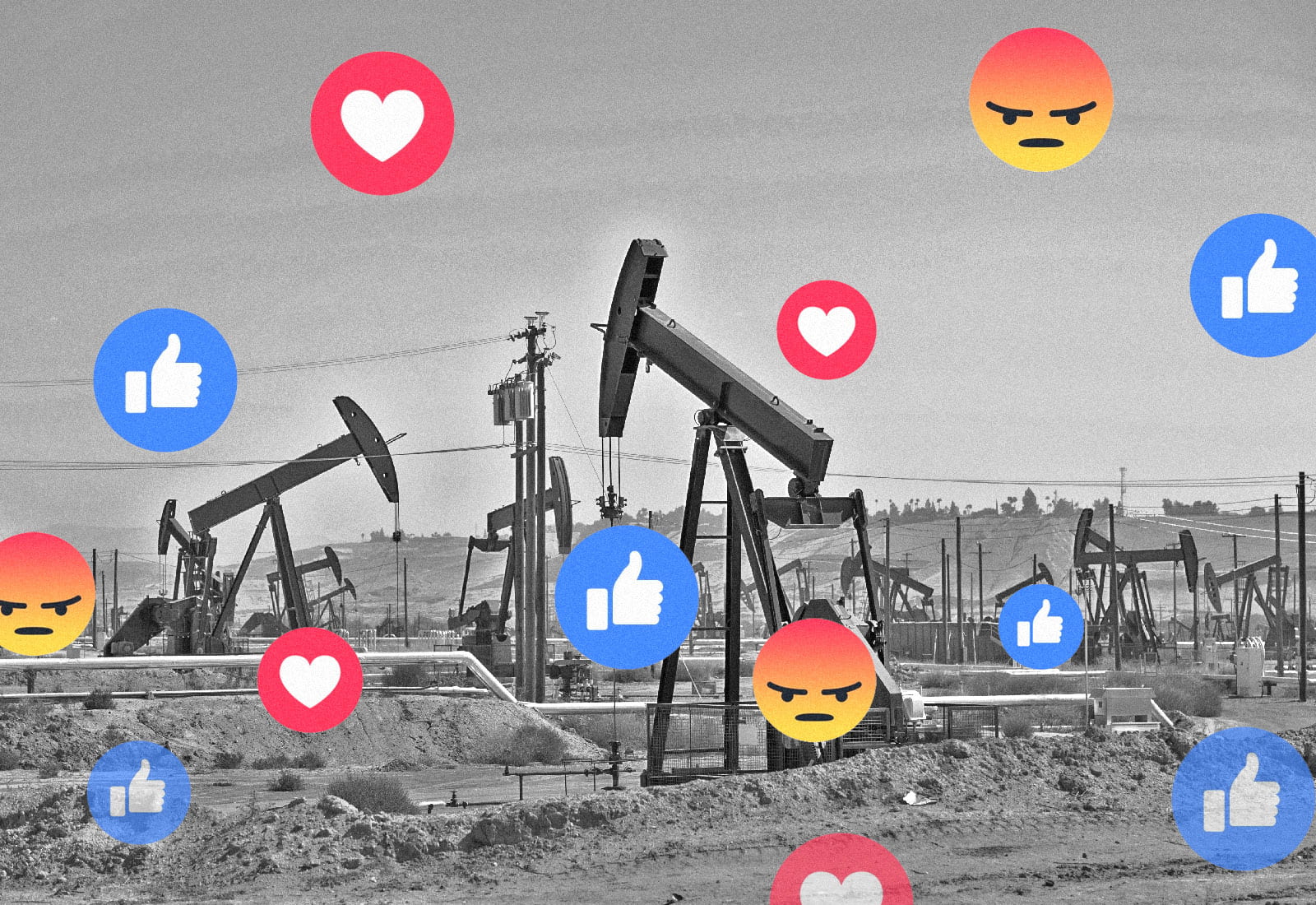 Online advertisers are always trying to sell you something, and in the case of slip-on sneakers or leather handbags, that something is pretty clear. But other times, the motive behind a sponsored post is less transparent. Why, for instance, are oil companies buying prime space in your social media feed to prattle on about “innovative” climate solutions and visions of a “lower-carbon future”?
Source: Big Oil spent $10 million on Facebook ads — to sell what, exactly?
Aug 7, 2021 | algo

Customers scroll through a selection of artwork and click the designs they like, in order to “show Artifly your style.” Then, the user clicks a button reading “Make My Art,” Artifly (the name of which is meant to evoke the phrase “Art on the Fly”) becomes familiar with your selections—and then near instantly, in about a minute, it creates a brand-new personalized artwork. The user then has the option, though not the obligation, to buy a bespoke piece of AI art.
Source: Artificial Intelligence May Have Cracked the Code to Creating Low-Priced Works on Canvas | Artnet News
Try it; it’s fun!
Aug 7, 2021 | networking, trends
 The concept of a new media ecosystem that’s non-profit, publicly funded and tech-infused is drawing interest in policy circles as a way to shift the power dynamics in today’s information wars. Why it matters: Revamping the structure and role of public media could be part of the solution to shoring up local media, decentralizing the distribution of quality news, and constraining Big Tech platforms’ amplification of harmful or false information.
Source: The push for a “PBS for the internet”
Aug 6, 2021 | algo, justice & equality, mobile
 With a new capability to search for illegal material not just in the cloud but on user devices, the company may have opened up a new front in the encryption wars.
Source: Apple Walks a Privacy Tightrope to Spot Child Abuse in iCloud
Aug 6, 2021 | algo
 Twelve years after bitcoin was born, governments are still struggling to cope with cryptocurrencies. Britain has banned Binance, a crypto exchange and the European Union’s regulators want transactions to be more traceable. On August 3rd Gary Gensler, the head of America’s Securities and Exchange Commission, said cryptocurrency markets were “rife with fraud, scams and abuse” and called on Congress to give his agency new regulatory powers.
Source: Why regulators should treat stablecoins like banks
Aug 6, 2021 | justice & equality, trends
 At a laboratory inside a Google data center in Mayes County , Oklahoma, researchers spent the fall of 2019 disassembling old hard disk drives by hand in order to extract a 2-inch-long component known as the magnet assembly. Consisting of two powerful rare earth magnets, the magnet assembly is a critical muscle within the hard drive, controlling an actuator arm that allows the device to read and write data.
Source: Can you recycle a hard drive? Google is quietly trying to find out
Aug 5, 2021 | justice & equality, networking
 Before he’d become a posthumous social media symbol of Reddit-ish male angst, Bukowski wrestled with the pros and cons of a digital world. Social media users are again debating the merits of Charles Bukowski, the late Los Angeles-based writer known for his poetry describing a coarse, often boorish version of American masculinity replete with drinking, gambling, and not-always-successful womanizing.
Source: Charles Bukowski: poet, Twitter punch line—and internet visionary
Aug 5, 2021 | video
 When SpaceX launches its first all-civilian crew into space later this fall and takes a multi-day trip circling the Earth, humanity can follow along online thanks to an exclusive documentary deal Netflix sealed with Elon Musk’s private space company.
Source: Streaming space tourism is the new reality TV
Aug 5, 2021 | algo, mobile

IBM Digital Health Pass uses blockchain encryption technology, eliminating the need to collect and store personal data. This allows user to manage what information they want to share through their smartphones. All border agents see is a prompt for whether a traveler is cleared for travel or not.
Source: More than 450 airlines can now use IBM’s blockchain-based vaccine passport
Aug 4, 2021 | algo, networking, trends
 Silicon Valley CEOs keep hailing its imminent arrival as they hawk digital goods, but the metaverse was a dystopian idea from its inception.
Source: The Metaverse Has Always Been a Dystopian Idea
Aug 4, 2021 | algo, mobile

To master the roads, autonomous vehicles need lots of data. Workers everywhere from Kenya to Venezuela are providing it.
Source: Training self-driving cars for $1 an hour
Aug 4, 2021 | algo, networking
 Well over 100 employees at Amazon Prime Air have lost their jobs and dozens of other roles are moving to other projects abroad as the company shutters part of its operation in the UK. Insiders claim the future of the UK operation, which launched in 2016 to help pioneer Amazon’s global drone delivery efforts, is now uncertain.
Source: The slow collapse of Amazon’s drone delivery dream
Aug 3, 2021 | algo, justice & equality, networking
 Twitter is applying the bug bounty model to machine learning. The micro-blogging site has launched the industry’s first algorithmic bias bounty competition. The challenge was created to identify potential harms in Twitter’s notorious image cropping algorithm, which was largely abandoned after exhibiting gender- and race-based biases.
Source: Why Twitter wants ethical hackers to fix its algorithmic biases
Aug 3, 2021 | audio, justice & equality, video
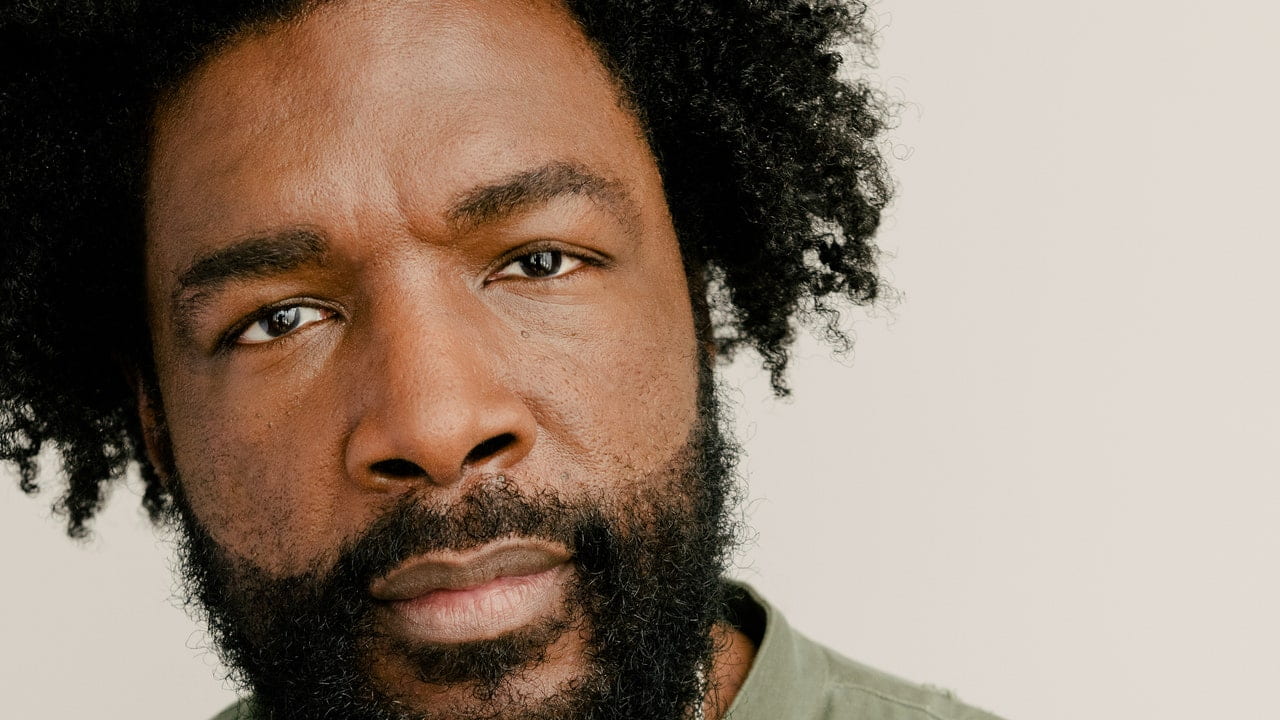 The Roots drummer discusses Summer of Soul, his new documentary about the 1969 Harlem Cultural Festival, and the ongoing fight to give Black musicians their rightful due.
Source: Questlove on Restoring Black Music History and Making One of the Year’s Best Films
Aug 3, 2021 | algo, networking

France has hit Google with fines totalling €720 million this year. The money is meaningless – but the changes could be profound
Source: How France tamed Google
Aug 2, 2021 | algo, justice & equality, networking
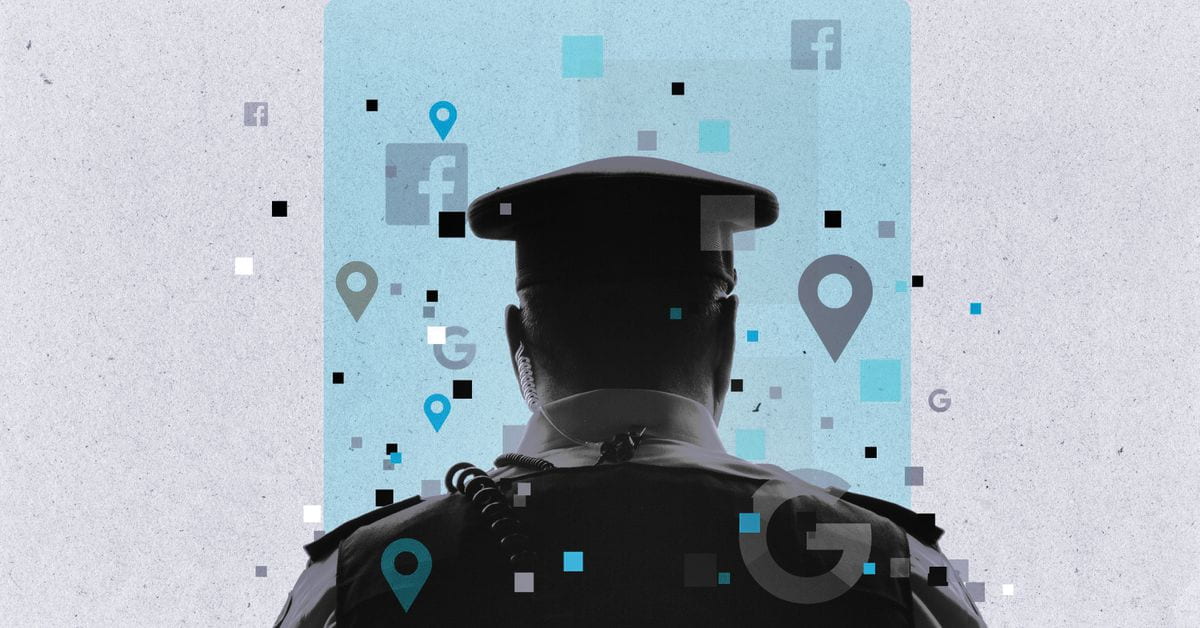 If you’ve ever read a privacy policy, you may have noticed a section that says something about how your data will be shared with law enforcement, which means if the police demand it and have the necessary paperwork, they’ll likely get it.
Source: Here’s how police can get your data — even if you aren’t suspected of a crime
