
networking
The real threat to Facebook is the Kool-Aid turning sour

The more benign leaks merely cost Facebook a bit of competitive advantage. We’ve learned it’s building a smart speaker, a standalone VR headset and a Houseparty split-screen video chat clone.
Yet policy-focused leaks have exacerbated the backlash against Facebook, putting more pressure on the conscience of employees. As blame fell to Facebook for Trump’s election, word of Facebook prototyping a censorship tool for operating in China escaped, triggering questions about its respect for human rights and free speech. Facebook’s content rulebook got out alongside disturbing tales of the filth the company’s contracted moderators have to sift through. Its ad targeting was revealed to be able to pinpoint emotionally vulnerable teens.
In recent weeks, the leaks have accelerated to a maddening pace in the wake of Facebook’s soggy apologies regarding the Cambridge Analytica debacle. Its weak policy enforcement left the door open to exploitation of data users gave third-party apps, deepening the perception that Facebook doesn’t care about privacy.
Source: The real threat to Facebook is the Kool-Aid turning sour | TechCrunch
Hey, Alexa, What Can You Hear? And What Will You Do With It?
A diagram included with an Amazon patent application showed how a phone call between friends could be used to identify their interests. Credit United States Patent and Trademark
Amazon and Google have filed patent applications, many still under consideration, that outline how digital assistants can monitor more of what users say and do.

Source: Hey, Alexa, What Can You Hear? And What Will You Do With It? – The New York Times
How Cambridge Analytica’s Facebook targeting model worked — according to the person who built it
How accurately can you be profiled online?

Why did fans leave LiveJournal, and where will they go after Tumblr?
A fascinating survey details the migration patterns of pop-culture obsessives.
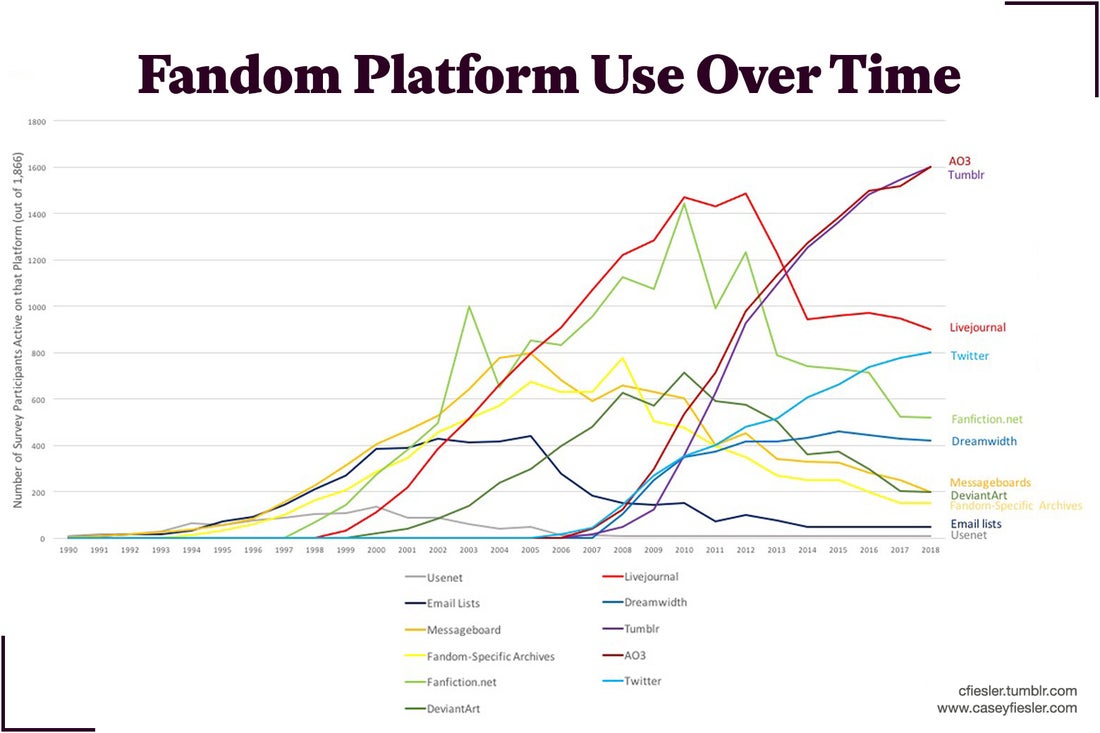
Source: Why did fans leave LiveJournal, and where will they go after Tumblr?
Can Social Media Be Saved?
They exploit our data and make us unhappy. They spread misinformation and undermine democracy. Is salvation possible for social networks?

Admit It, You Don’t Really Understand Facebook
Whatever your position on the ethics of Facebook, the biggest challenge facing the world’s foundational social network right now is not #deletefacebook, data security, or PR punditry over whether Mark and Sheryl took too long to talk to journalists. It’s not even that the company has inadvertently been cast in history’s greatest spy drama–which just happens to be playing out on our TVs and in our news feeds and is the reason this story penetrated news cycles beyond tech media. (Despite all these things, business continues to boom.) Facebook’s real problem–its vulnerability–is the gulf that exists between people’s negligible understanding of its business model and what Facebook’s business really is.
The 4 Design Changes Facebook Should Really Make
“In my opinion, the biggest issue that Facebook needs to address is its business model that relies on data surveillance,” Ricks says. “Facebook is one actor in a complex web of data brokers, digital services, political organizations, social platforms, and financial institutions that have profited off the mass exploitation of people’s data. Until that changes, I worry that Facebook may just be making cosmetic fixes to its platform.”
Facebook Has An App Problem
An “app,” in the eyes of your average consumer, is something you literally download onto your phone or computer. It’s a piece of software in your possession. Implied in this mental model is a sort of containment. An app is like a caged tarantula we can take out now and again. But when we put it away, it stays put away, because no one wants to wake up in the middle of the night with a giant arachnid on their face.
When Facebook began allowing apps to connect with its service to expand what users could do on the social network in 2007, this model was destroyed overnight. You were no longer downloading a piece of software that you somehow owned or that you somehow could unplug. You were connecting to a service that lived on servers, an omnipresent entity that was always there and always watching, even after you long stopped tending those Farmville crops or responding to those Words with Friends requests.
Source: Facebook Has An App Problem
#DeleteFacebook becomes a movement as former Facebook insiders turn on the company
Things are getting worse for Facebook — WhatsApp co-founder Brian Acton jumped on the #DeleteFacebook bandwagon on Tuesday evening.

GM said to pilot peer-to-peer car sharing through its Maven brand
Automaker General Motors is said to be planning a new peer-to-peer car rental service, similar to existing offerings by Daimler-backed Turo and startup Getaround, to debut as early as this summer.

Source: GM said to pilot peer-to-peer car sharing through its Maven brand | TechCrunch
How Lies Spread Online
For all categories of information — politics, entertainment, business and so on — we found that false stories spread significantly farther, faster and more broadly than did true ones. Falsehoods were 70 percent more likely to be retweeted, even when controlling for the age of the original tweeter’s account, its activity level, the number of its followers and followees, and whether Twitter had verified the account as genuine. These effects were more pronounced for false political stories than for any other type of false news.

Are Young Adults Growing Tired of Constant Social Connectivity?
Despite popular assumptions that young adults are social media-obsessed, new data suggests that many have considered a temporary—and even permanent—reprieve from their newsfeeds.
Source: Are Young Adults Growing Tired of Constant Social Connectivity? – eMarketer
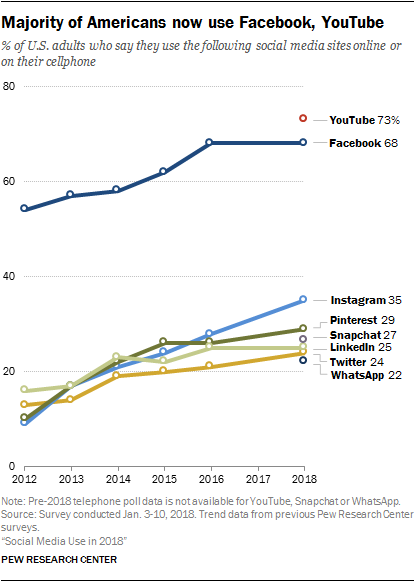
Social Media Use 2018: Demographics and Statistics
A majority of Americans use Facebook and YouTube, but young adults are especially heavy users of Snapchat and Instagram
Source: Social Media Use 2018: Demographics and Statistics | Pew Research Center
Buzzfeed Is Selling Home Goods Now–At Walmart
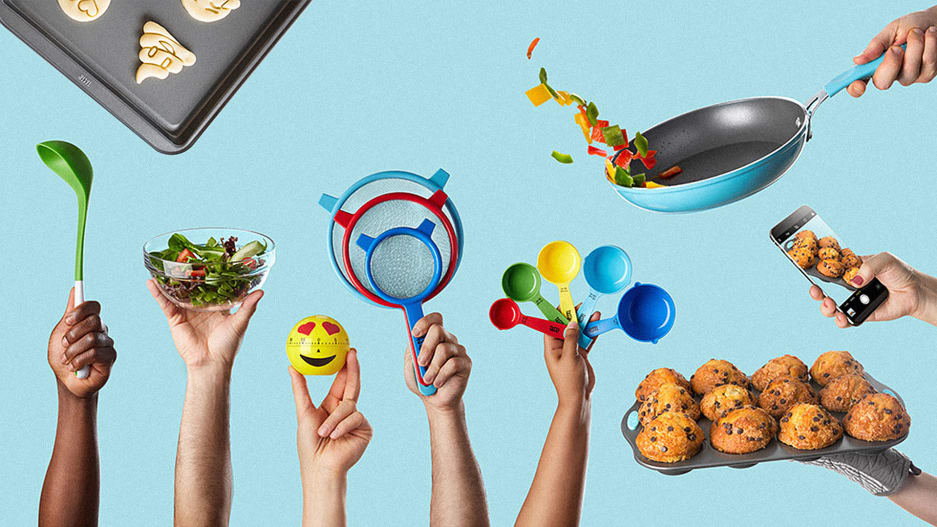
Stand aside Emeril Lagasse and Rachel Ray, there’s a new line of influencer cookware that the Instagram generation is going to *heart emoji*. But’s not a tie-in with a celebrity cook. It’s by Buzzfeed. And it’s on sale exclusively at Walmart.
How To Empower Users To Fight Fake News
Readers shouldn’t be expected to constantly vet fake news. The onus is on companies to use visual indicators to help save readers from mental manipulation, writes Stephanie Nguyen, a user experience designer formerly of the U.S. Digital Service at the White House.
VRChat: What it’s like using the online meeting place of the 21st century
VRChat is a surreal virtual meeting space that lets people socialize, take classes, create art, and play games — all from the comfort of your own home.

Source: VRChat: What it’s like using the online meeting place of the 21st century – Business Insider
Understanding Programmatic Auction Pricing Is a Major Priority for Marketers
As automated advertising has matured, the structure of programmatic auctions has become more confusing. In 2018, marketers are looking to break through the clutter to understand what’s going on under the hood.
Source: Understanding Programmatic Auction Pricing Is a Major Priority for Marketers – eMarketer
Vero Is Bad Design–Except For The One Way It’s Brilliant
Vero has been around since 2015, but within the last week, the app has suddenly exploded as the Instagram-Facebook-Snapchat-alternative of 2018. Currently topping the iOS App Store, Vero’s servers are being crushed under the weight of new users–though it’s unclear exactly how many. Worth noting: The company’s own message of freedom and transparency might be hypocritical at best.

So what’s driving Vero’s apparent growth? For one thing, the company is brilliantly playing on the anger many people feel at social media companies by making promises aimed at many of the public’s biggest qualms with giants like Facebook. For instance, Vero says it will never have ads. It won’t sell your data to advertisers, either. And it will never reorder your timeline via an algorithm optimized for engagement. Instead, it plans to charge you a subscription–eventually. Facebook makes about $6/quarter off its users from advertising. Vero’s premise seems to be that you pay it directly, instead.
Source: Vero Is Bad Design–Except For The One Way It’s Brilliant
How e-commerce video advertising will strike yet another blow to commercial TV
E-commerce videos are a precision advertising tool which could put the nail in the coffin of traditional television adverts.
Source: How e-commerce video advertising will strike yet another blow to commercial TV
Despite backlash to the redesign, Snapchat downloads are up
“What’s all the fuss about?” Curiosity over why people are protesting the Snapchat redesign seems to have inspired a new wave of users to try the app. Snapchat downloads in the…

Source: Despite backlash to the redesign, Snapchat downloads are up | TechCrunch