Oct 22, 2021 | algo
 Got a moral quandary you don’t know how to solve? Fancy making it worse? Why not turn to the wisdom of artificial intelligence, aka Ask Delphi : an intriguing research project from the Allen Institute for AI that offers answers to ethical dilemmas while demonstrating in wonderfully clear terms why we shouldn’t trust software with questions of morality.
Source: The AI oracle of Delphi uses the problems of Reddit to offer dubious moral advice
Oct 20, 2021 | algo, justice & equality, networking
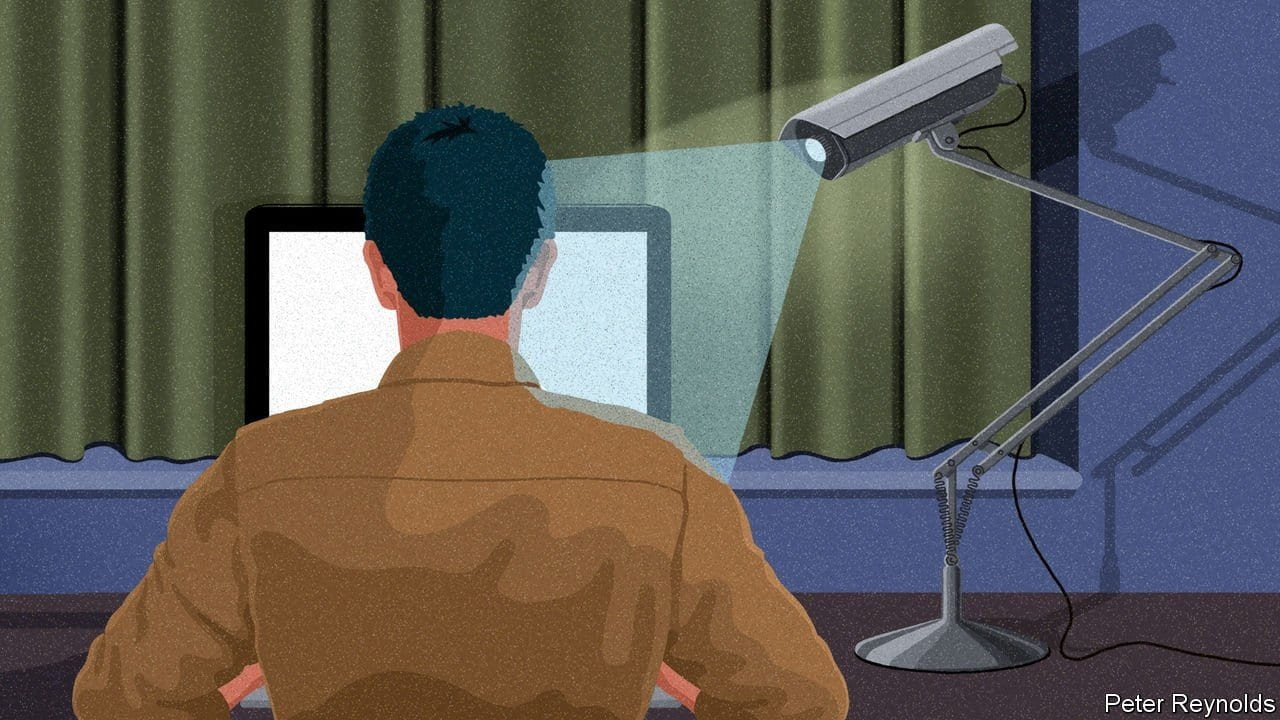
Freedom House, a think-tank, reports that in the past year efforts to control speech online escalated in 30 of the 70 countries it monitors, and receded only in 18 (see map). Many autocrats and would-be autocrats look with envy at China, where the Communist Party has overseen the construction of a walled-off information sphere, within which criticism of those in power can barely be seen or heard. None can copy it exactly, but many are deploying digital tools to curate the information that reaches their citizens.
Source: Governments are finding new ways to squash free expression online
Oct 20, 2021 | justice & equality, video
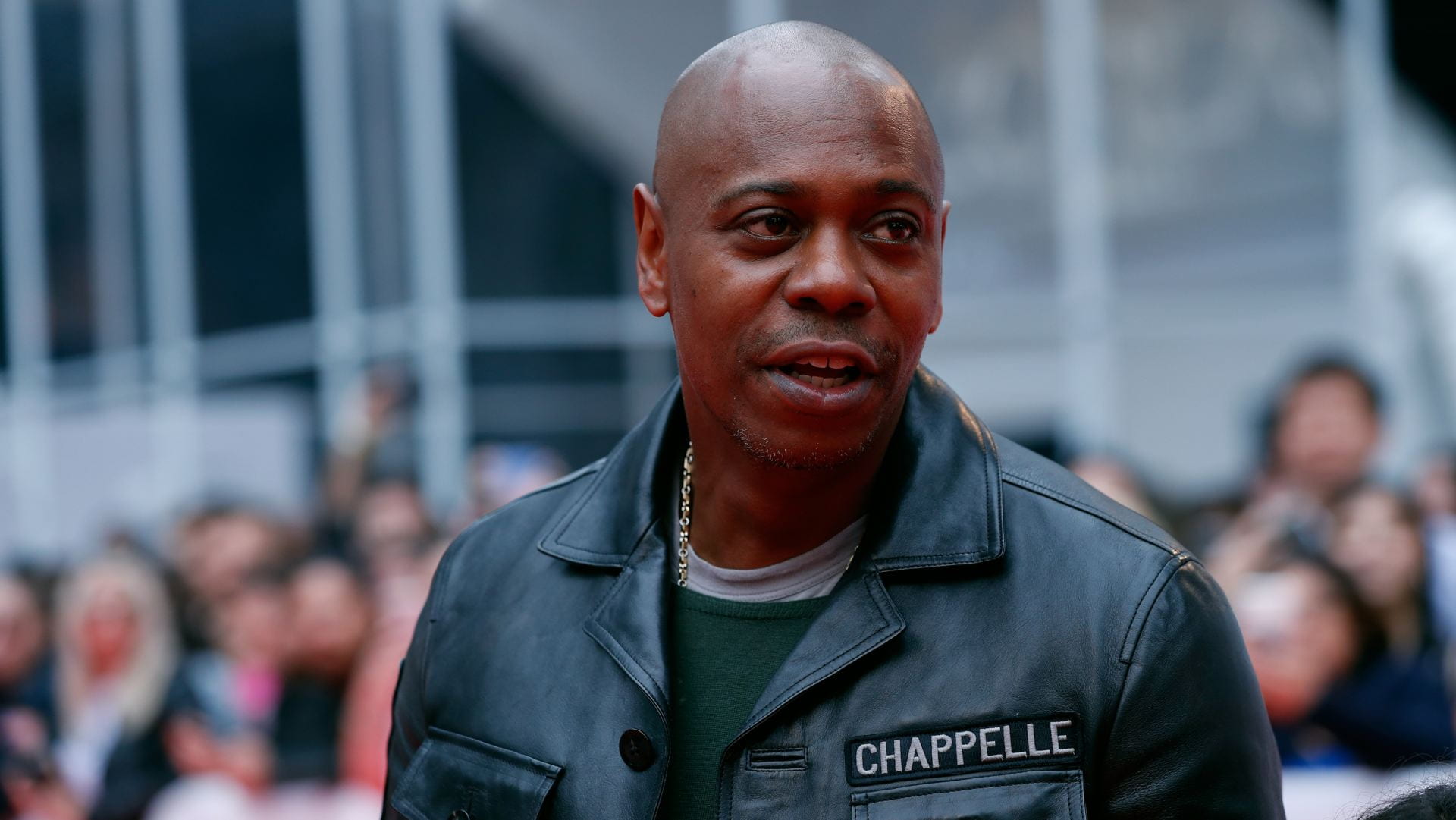 Netflix has a workplace culture so distinct that co-founder and co-CEO Reed Hastings wrote a whole book about it . But backlash over comedian Dave Chappelle’s most recent standup special, The Closer , is putting the streaming titan’s culture to the test.
Source: The Chappelle controversy is a test of what kind of workplace Netflix wants to be
Oct 19, 2021 | justice & equality, networking
 Yes, we’ve had bands, tribes, cities, and states; agriculture, inequality, and bureaucracy, but what each of these were, how they developed, and how we got from one to the next—all this and more, the authors comprehensively rewrite. More important, they demolish the idea that human beings are passive objects of material forces, moving helplessly along a technological conveyor belt that takes us from the Serengeti to the DMV. We’ve had choices, they show, and we’ve made them. Graeber and Wengrow offer a history of the past 30,000 years that is not only wildly different from anything we’re used to, but also far more interesting: textured, surprising, paradoxical, inspiring.
Source: Human History Gets a Rewrite
Oct 19, 2021 | algo, trends
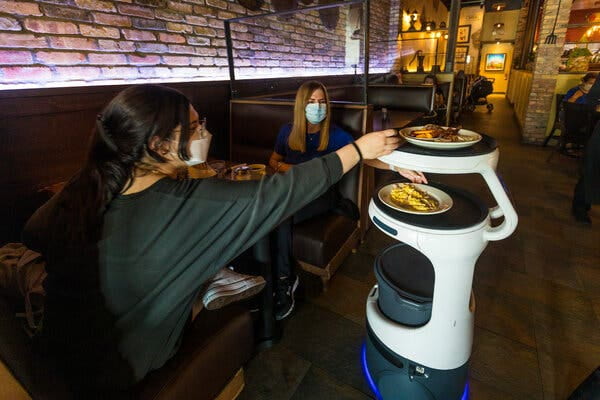 They can make French fries, mix drinks and even clean toilets, and they never ask for a raise. But they also break down.
Source: Desperate for Workers, Restaurants Turn to Robots
Oct 19, 2021 | mobile, trends

The Apple-branded cloth, made of unspecified nonabrasive materials, will be available to purchase separately. Other than having an Apple logo stamped on it, it’s unclear how the cloth is any different from a typical microfiber cloth that you can get for a fraction of the price.
Source: A piece of cloth to clean your Apple devices will cost you $19
Oct 18, 2021 | video

The union had threatened that 60,000 of its members would go on strike Monday after weeks of contract negotiations. Streaming rates and residuals were just a small part of the union’s catalog of demands. But ultimately, this labor dispute was all about streaming.
Source: Hollywood averted its first streaming strike
Oct 18, 2021 | networking

The app has created a space free of the problems that plague the rest of the Web, but only by leaving almost everybody out.
Source: Raya and the Promise of Private Social Media
Oct 18, 2021 | justice & equality, networking
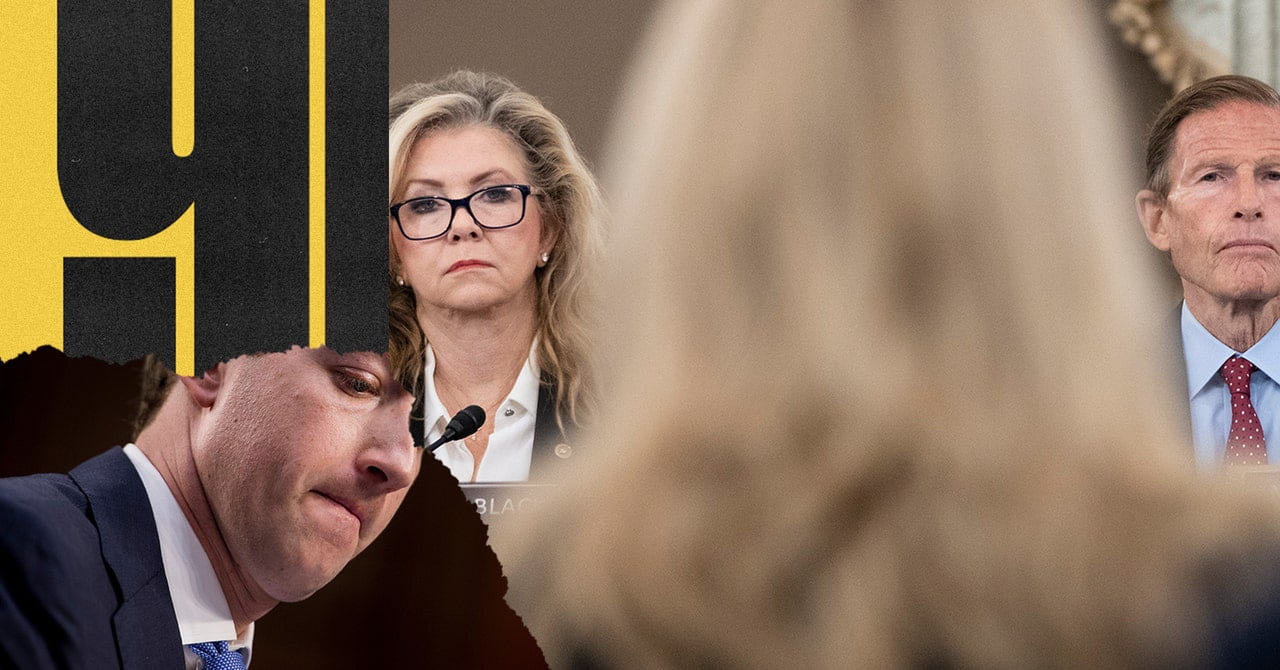 In public, Facebook seems to claim that it removes more than 90 percent of hate speech on its platform, but in private internal communications the company says the figure is only an atrocious 3 to 5 percent. Facebook wants us to believe that almost all hate speech is taken down, when in reality almost all of it remains on the platform.
Source: How Facebook Hides How Terrible It Is With Hate Speech
Oct 18, 2021 | networking
Why deal with political risk when your product isn’t working anyway?
Source: All risk, no reward: Why Microsoft gutted LinkedIn in China
Oct 18, 2021 | video
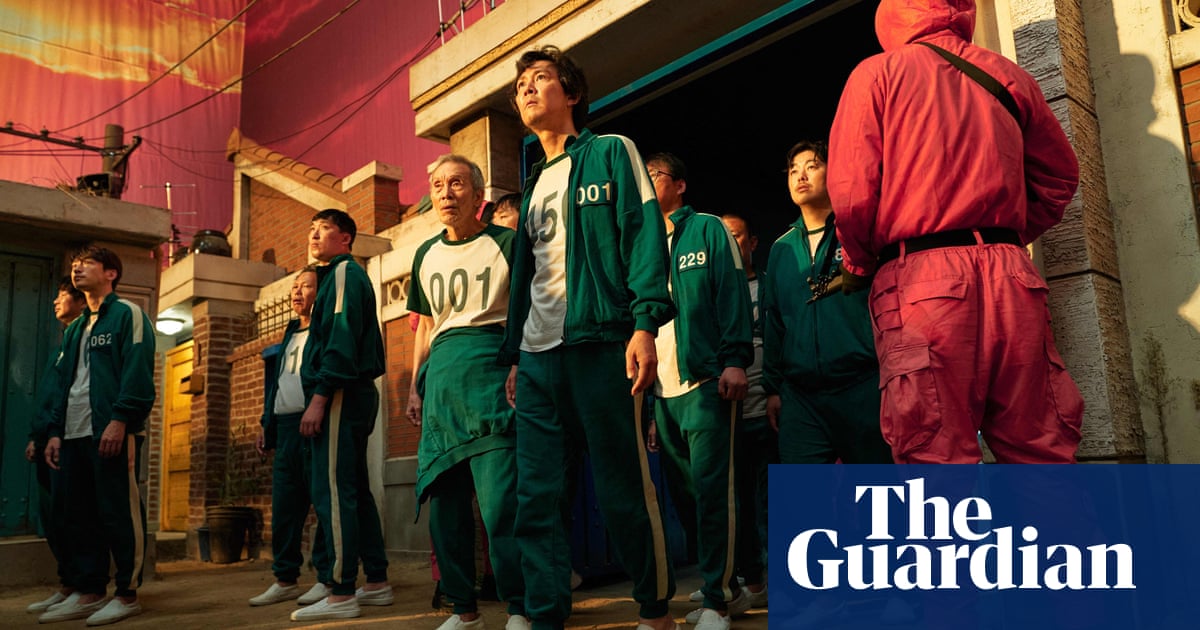
Subtitling is an essential art form. So why, as the streaming giant scores more global hits with shows like Squid Game and Call My Agent, isn’t it trying harder to find the right words?
Source: Lost in translation? The one-inch truth about Netflix’s subtitle problem
Oct 18, 2021 | games & graphics, networking
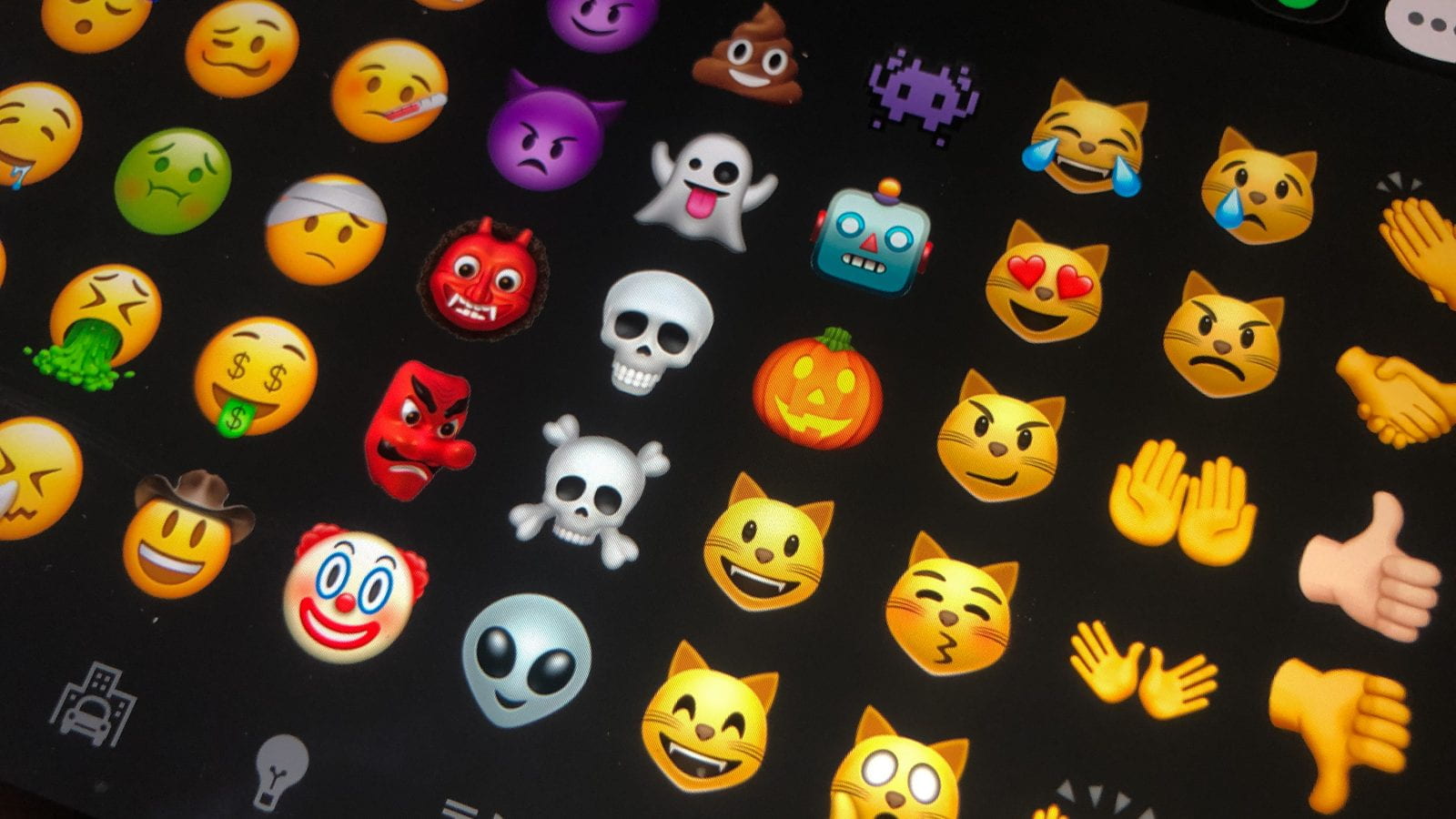 Emoji are practically a universal part of language now, with chat conversations liberally sprinkled with little pictograms. But just because they’re widely adopted doesn’t mean they’re fully understood.
Source: ⚠️ Caution! ⚠️ These emoji mean different things in different countries
Oct 15, 2021 | algo, justice & equality, networking
 Cher Scarlett grew up poor and dropped out of high school. As a teenager, she struggled with addiction, danced as a stripper and tried to overdose on pills. Her ticket to a better life was learning to code. Last year, she became perhaps the least probable member of Apple’s elite software engineering corps.
Source: She pulled herself from addiction by learning to code. Now she’s leading a worker uprising at Apple.
Oct 15, 2021 | algo
Haven’t we seen this film before?
Source: Pentagon Wants AI to Predict Events Before They Occur
Oct 15, 2021 | audio, networking, trends, video
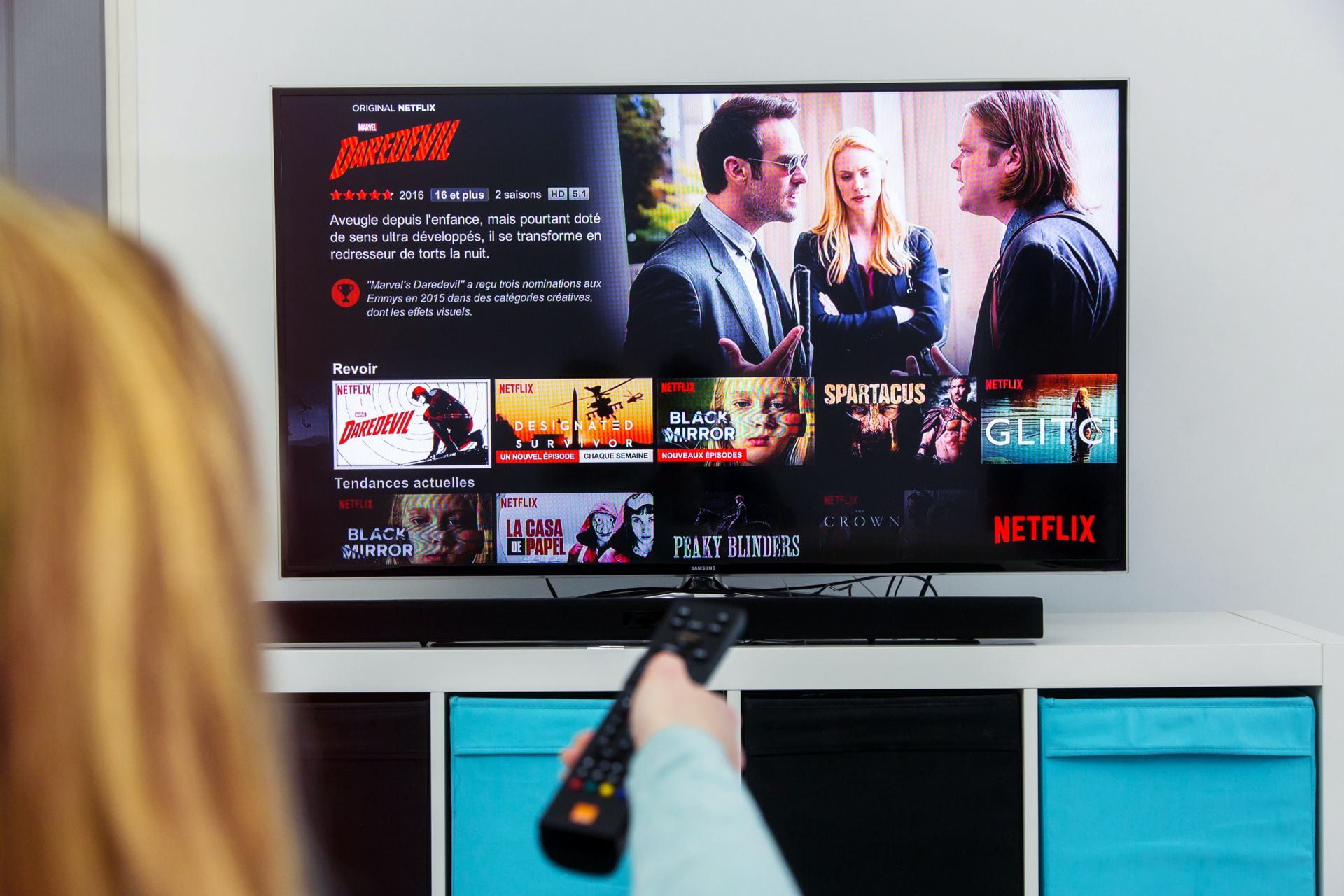
The possibilities of streaming have inspired a new “classificatory imagination”. I coined this term to describe how viewing the world through genres, labels and categories helps shape our own identities and sense of place in the world.
While 50 years ago, you might have discovered a handful of music genres through friends or by going to the record shop, the advent of streaming has brought classification and genre to our media consumption on a grand scale. Spotify alone has over five thousand music genres. Listeners also come up with their own genre labels when creating playlists. We are constantly fed new labels and categories as we consume music, films and television.
Source: How Netflix affects what we watch and who we are — and it’s not just the algorithm
Oct 15, 2021 | networking
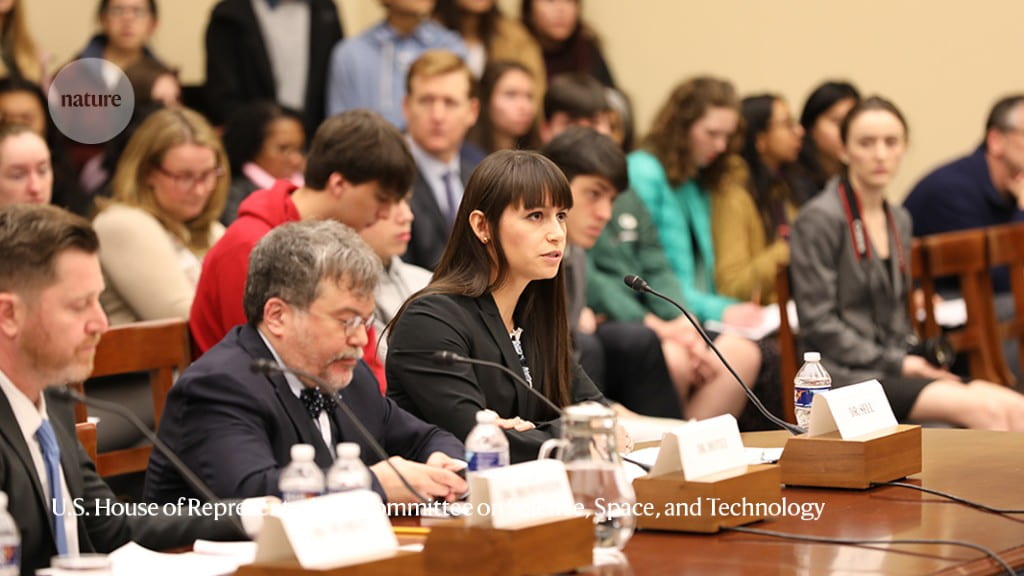 Dozens of researchers tell Nature they have received death threats, or threats of physical or sexual violence.
Source: ‘I hope you die’: how the COVID pandemic unleashed attacks on scientists
Oct 13, 2021 | audio, networking, trends
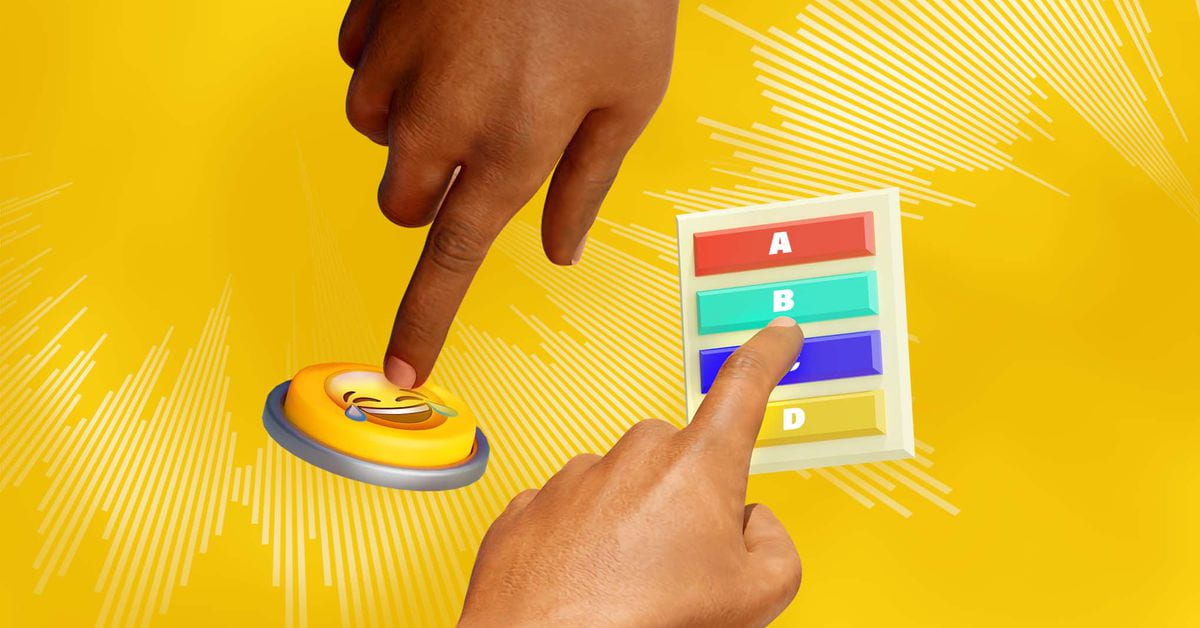
“Podcasting has always been this sort of one-way street,” says Mike Mignano, head of creation platform at Spotify. “A creator publishes content; the audience listens; that’s it.”
Now, however, interactive elements are making their way into the space. Spotify is giving all its Anchor creators the ability to make polls and Q&As and is testing interactive ads. Other apps, like Facebook, are trying things as simple as just allowing listeners to leave comments — a mainstay YouTube feature — while podcasting apps in China already allow listeners to build “listening circles” and “discussion groups.”
Source: The next big thing in podcasts is talking back
Oct 13, 2021 | justice & equality, networking
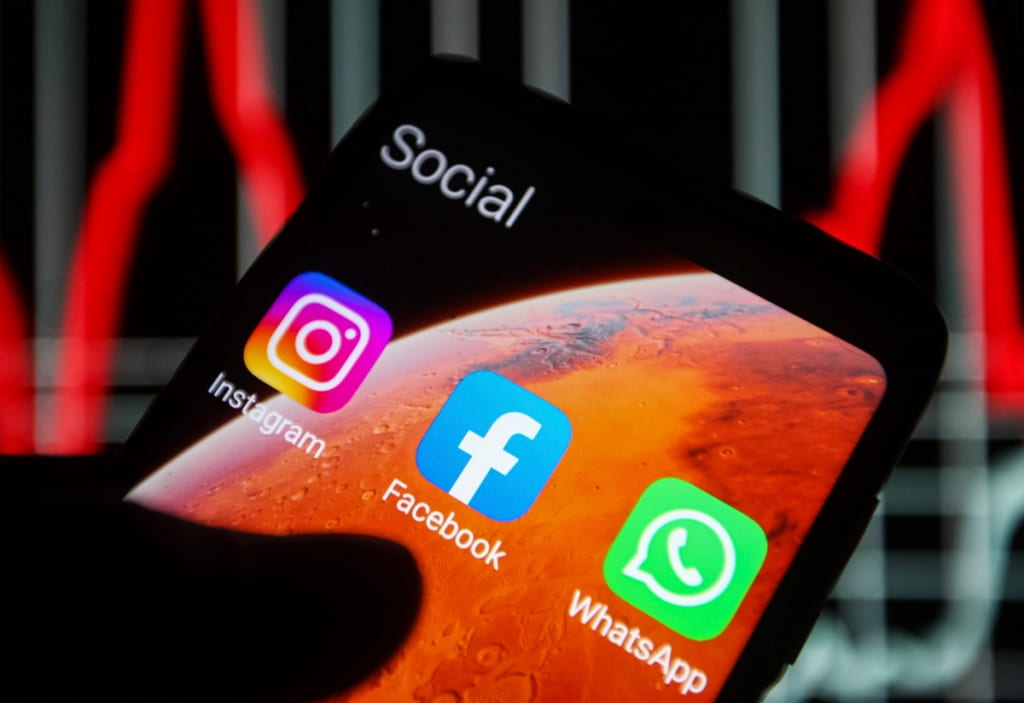 I am a queer feminist artist who is active on Instagram, and weary of struggling with being censored there. Many of my peers depend on Instagram for their livelihood. Many use it for community-building, which can also be life-sustaining. Like many queer, feminist, trans, POC, fat, disabled, and sex worker artists, I use Instagram in constructive ways, but struggle with the platform’s constant censorship of my work. From the perspective of algorithms and content moderators, the bodies I depict in my paintings are legible only as “inappropriate”—read: pornographic. These bodies do not feed the capitalist machine of essentialized “female” bodies as consumable—as selling agents. They are queer, trans, old, fat, disabled, multiracial, and often female-identified. They have breasts that sag, nipples that tell stories, asymmetrical parts, arms that are wrinkled, scars from surgeries and body modification, synthetic hormones that make it all unreadable to the gender binary-entrenched system.
Source: Opinion: The Real Problem with Instagram
Oct 12, 2021 | networking, trends
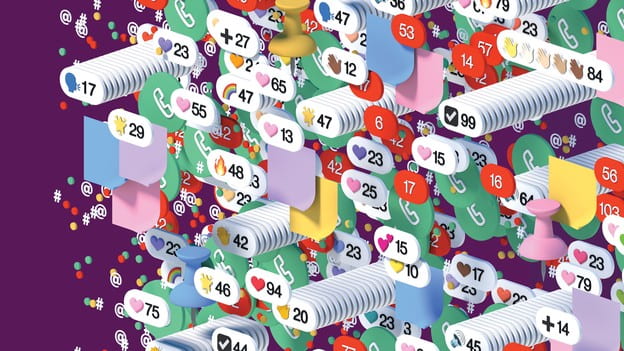
But even if you don’t use Slack, or something like it, you live and work in the world Slack helped create. It’s a world where openness and transparency are prized; where work is something we are always kind of doing; where who we are at the office and who we are outside it are closer than ever before; where all of these dynamics mean that sometimes things go very wrong, especially for people in power.
Source: Slackers of the World, Unite!
Oct 12, 2021 | justice & equality, mobile, networking, trends
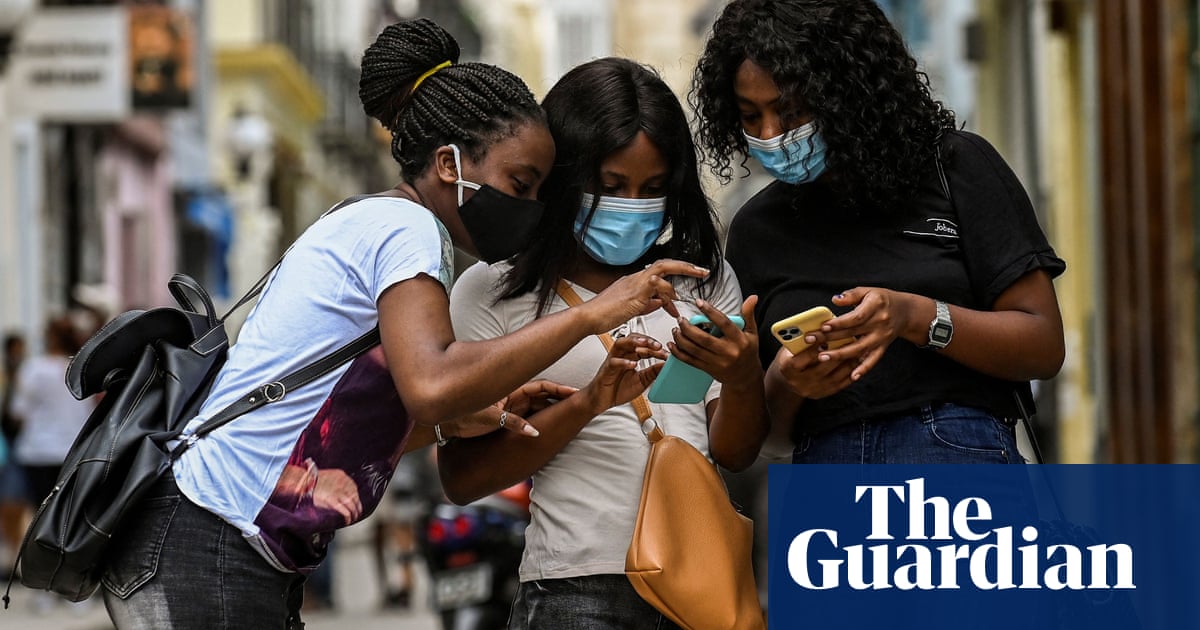 A failure to ensure women have equal access to the internet has cost low-income countries $1tn (£730bn) over the past decade and could mean an additional loss of $500bn by 2025 if governments don’t take action, according to new research .
Source: Digital gender gap: men 50% more likely to be online in some countries – report
