Who Owns the Teen Girl Aesthetic?
Olivia Rodrigo and Brooklyn indie band Pom Pom Squad are both reimagining girlhood in slyly dark ways, in the lineage of those who came before them.

For most Harry Potter fans, the only way to stroll through Diagon Alley is to visit the reproduction in Orlando’s The Wizarding World of Harry Potter Theme Park. Kristin Dattoo wouldn’t need to make the trip from her native Ontario, however. Instead, the 19-year-old would just shift her consciousness.
Source: Inside ‘reality shifting,’ the trend where TikTokers claim they can enter the world of Harry Potter
Enlarge Facebook’s ability to track users and show them certain ads appears to be tanking thanks to Apple’s “ask not to track” feature, according to some advertisers. Apple rolled out the privacy prompt in late April with iOS 14.5. Since then, nearly half of all iOS devices worldwide have at least version 14.5 installed, according to Statcounter , and a vast majority of these devices’ users have chosen to deny Facebook and other apps the ability to track them.
Source: Facebook advertisers are panicking after iOS cuts off key tracking data
The player characters from childhood video games were conceived in glory. Where are they now?
The influencer is a fading stock character of the Internet’s commedia dell’arte. Often a conventionally attractive white woman, she shows off her aspirational life style via social-media channels. She accrues a large following, and then makes a living by getting companies to sponsor the content of her glamorous life.
Source: What the “Creator Economy” Promises—and What It Actually Does
Most of the tech that we encounter is built with an English-speaking user in mind. After all, English is used throughout the world, with more than a billion people speaking it as a second language. Indeed, most of us who speak English also speak another language, often switching to English only in specific formal contexts or when consuming the cultural products of the current global hegemon, the United States. The platforms that we rely on to remain connected in this digital age are not ready for our multilingual truths: We live in numerous languages, and constraining our ability to communicate in them effectively limits our ability to participate fully in our digital future.
Ever since the NFT phenomenon took off several months ago, it’s been all about exclusivity and the value that exclusivity drives—i.e., a lot of money. Digital artists like Beeple have auctioned off NFTs, or non-fungible tokens, of their artwork for tens of millions of dollars at auction houses like Christie’s.
Source: How Warner Bros. is using ‘Space Jam’ to get into the NFT business
The six cities building the future of the global tech industry. Each has its own story and a set of unique factors behind its rise. What they all do carry is a measure of the Silicon Valley myth: The idea that, if you want to make it in tech, you need to be there.
Source: Beyond Silicon Valley
Rite Aid had deployed facial recognition in at least 200 stores over eight years, before ditching the technology last year. Facial recognition is popping up at our favorite stores, but customers are largely unaware.
Source: From Macy’s to Ace Hardware, facial recognition is already everywhere
See also: Black teen misidentified by facial recognition sparks fears of machine-driven segregation
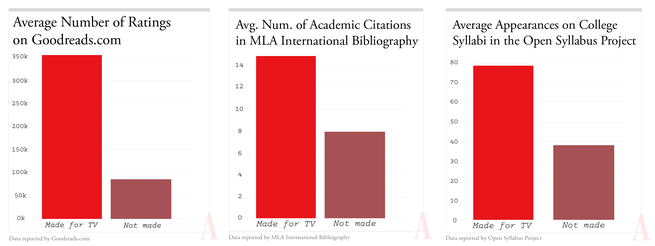
If you want a preview of next year’s Emmy Awards, just take a walk past your local bookstore. According to data drawn from Publishers Marketplace, the industry’s clearinghouse for news and self-reported book deals, literary adaptations to television have been on a steady climb.
Source: The Rise of Must-Read TV
NYC Mesh, a band of a few dozen tech volunteers, takes on Verizon and the big “incumbent providers,” with the promise of inexpensive community internet.
Source: ‘Welcome to the Mesh, Brother’: Guerrilla Wi-Fi Comes to New York
From #UKnowUrBlackWhen to #BlackLivesMatter, how a loose online network became a pop culture juggernaut, an engine of social justice, and a lens into the future.
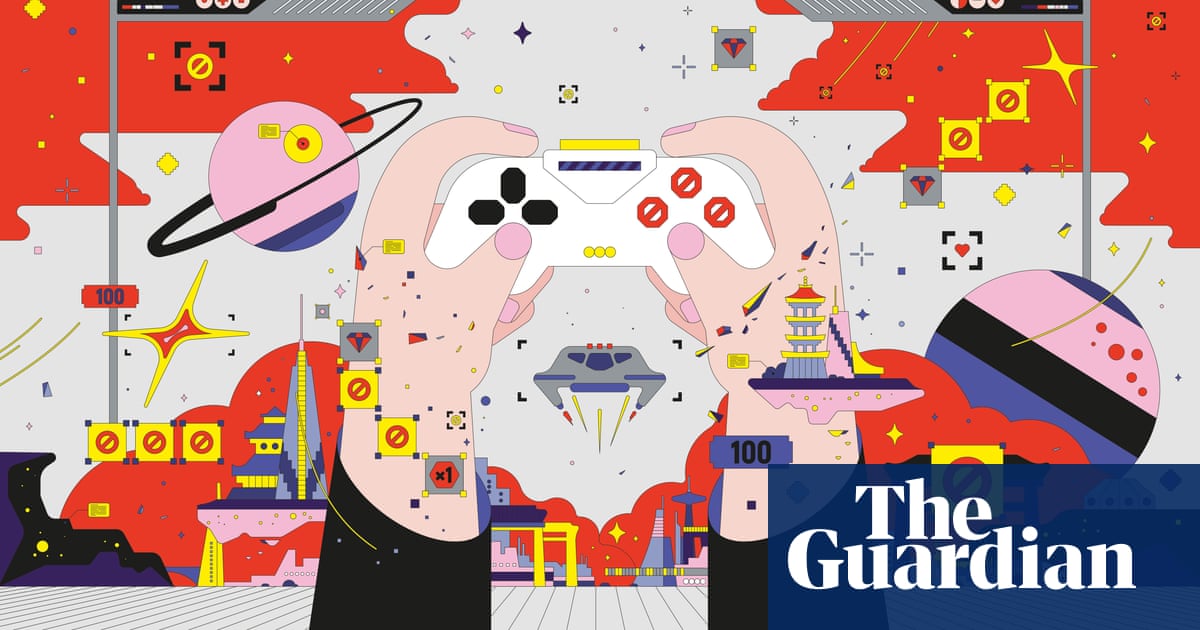
China’s video game market is the world’s biggest. International developers want in on it – but its rules on what is acceptable are growing increasingly harsh. Is it worth the compromise?
Source: No cults, no politics, no ghouls: how China censors the video game world
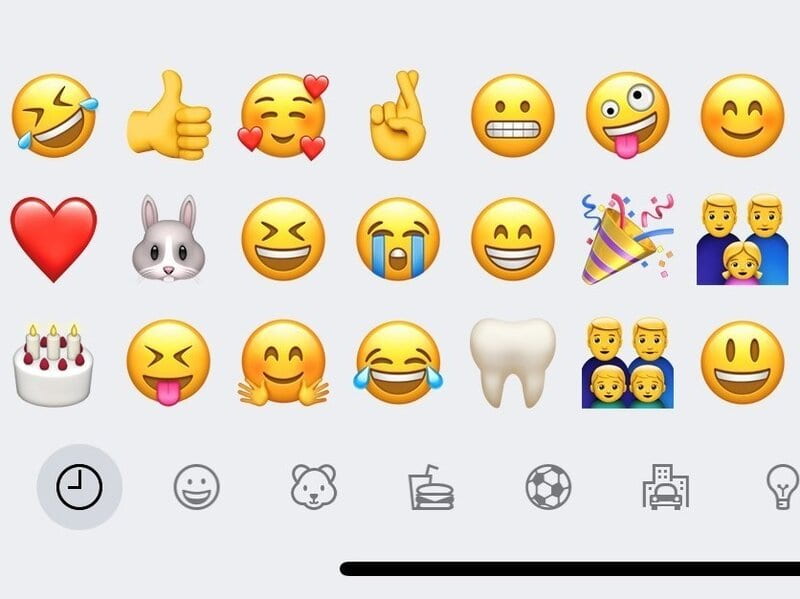
If you’ve ever hesitated to add a smiley face or a thumbs-up to an email, a new survey from Adobe may put you at ease. The software company, which conducts regular surveys on emoji use, found that the whimsical icons can make people feel more connected and more receptive to new tasks. They allow people to quickly share ideas. They make group decisions more efficient and can even reduce the need for meetings and calls.
Melanie Mitchell has worked on digital minds for decades. She says they’ll never truly be like ours until they can make analogies.
Source: The Computer Scientist Training AI to Think With Analogies | Quanta Magazine
Tech companies have repeatedly reassured the public that trackers used to follow smartphone users through apps are anonymous or at least pseudonymous, not directly identifying the person using the phone. But what they don’t mention is that an entire overlooked industry exists to purposefully and explicitly shatter that anonymity.
Source: Inside the Industry That Unmasks People at Scale
See also: ‘Chilling Effect’: Reporter Says Police Are Using This Israeli Tech to Hack Journalists’ Phones
How Half-Life and Deus Ex laid the foundation for a Wikipedia-style murder mystery game In 2048, Wikipedia doesn’t exist. Without enough donations and too many copyright claims, it has to shut down. In 2049, a new substitute rises: Omnipedia, built in the spirit of its predecessor as a free encyclopedia for all.
Source: Neurocracy is future fiction in the form of Wikipedia
The first female CEO of SMASH explains the lessons she learned from being the only (or one of very few) Black woman in STEM from school to the workplace.
Source: I am a Black female CEO, and this is how I redefined the white men’s club in tech
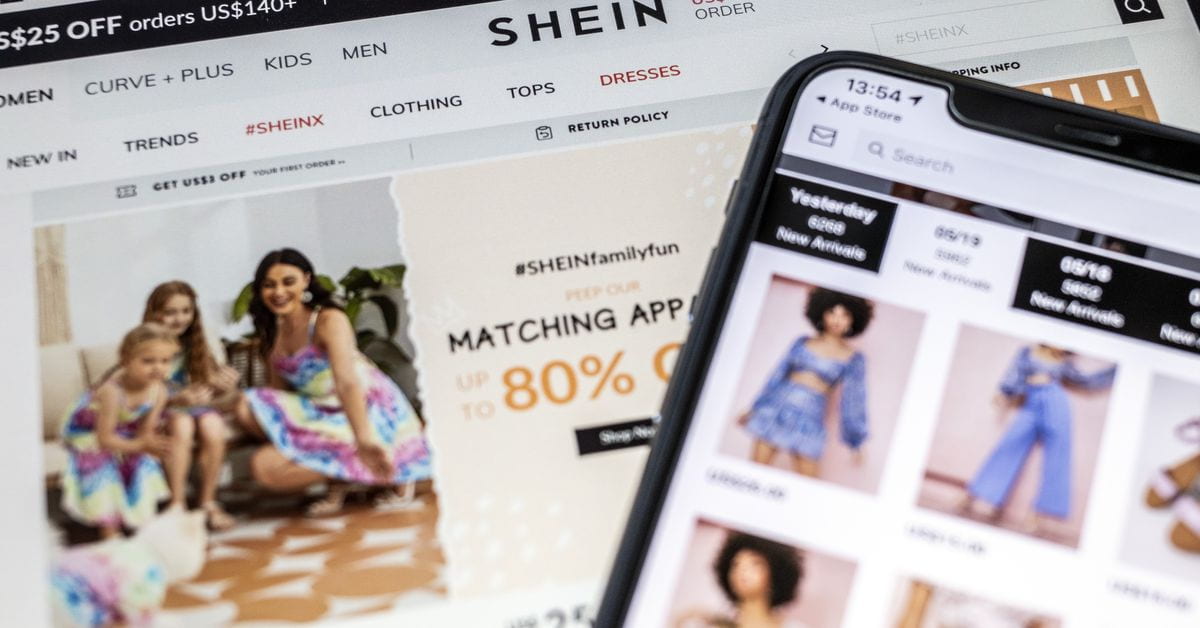
The Chinese retailer is fast becoming Gen Z’s favorite fashion company, for its low prices and savvy social media use.
Source: Shein is the future of fast fashion. Is that a good thing?
Negativity spreads faster than positivity online, and news organizations at both ends of the political spectrum are leveraging this tendency on Twitter, according to a new study.
Source: Outrage Spreads Faster on Twitter: Evidence from 44 News Outlets
See also: Surprise, surprise: Dunking on your enemies boosts social media engagement